
This toolbox, developed by IAS – the International AIDS Society, together with partners, is designed as a rapidly deployable resource to support national governments in responding to unexpected reductions in HIV funding by enabling swift reassessment and reorganization of HIV systems and services.
Version: 4 December 2025
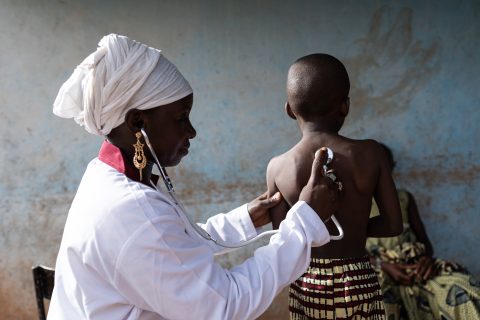


The PATHS – Planning and Action Toolbox for HIV Sustainability (IAS) (Version19 January 2026)
This toolbox, developed by IAS – the International AIDS Society, together with partners, is designed as a rapidly deployable resource to support national governments in responding to unexpected reductions in HIV funding by enabling swift reassessment and reorganization of HIV systems and services.
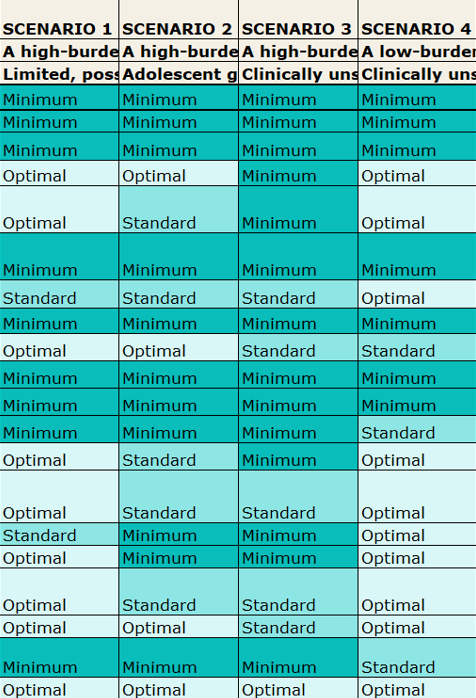
The TIER Tool – Tool for Intervention, Evaluation and Ranking (IAS) (Version 4 November 2025)
This tool offers a structured framework for prioritizing components of an HIV programme, including HIV treatment and care (continuity, monitoring, initiation and re-initiation), testing and prevention. It incorporates adaptable prioritization criteria according to the epidemiological context and progress toward the 95-95-95 targets.
French – Lʼoutil TIER dʼévaluation et de classement des interventions (IAS) (Version 30 juillet 2025)
Spanish – La herramienta de evaluación y clasificación de intervenciones (TIER) (IAS) (Versión del 30 de julio de 2025)
Portuguese – TIER – Ferramenta de Avaliação e Classificação de Intervenções (IAS) (Versão de 30 de julho de 2025)
Background
The first months of 2025 saw dramatic reductions in funding for HIV programming. Significant uncertainty remains around the future of international HIV funding mechanisms, including both the United States President’s Emergency Plan for AIDS Relief (PEPFAR) and the Global Fund to Fight AIDS, Tuberculosis and Malaria. At the same time, many countries face reductions in funding for other areas of health programming, including tuberculosis (TB), malaria and sexual and reproductive health (SRH).
Starting in 2024, UNAIDS has supported many countries to initiate HIV response sustainability planning, including launching intersectoral discussions, forming mechanisms and governance bodies and drafting initial country sustainability roadmaps for their HIV programmes. The significant funding reductions in 2025 call for an urgent re-evaluation of these plans, including plans for integration of HIV and broader health services, and expediting discussions in countries where sustainability planning has not yet matured.
As described in the UNAIDS HIV Response Sustainability Roadmap-Part A- Companion Guide, these plans require strong political leadership within the ministry of health, involving multiple departments, and coordinated efforts between ministries (e.g., health, finance and planning) to be cohesive and successful. Planning HIV service adaptations must be made within the context of the broader picture of impacts on overall health funding.
The UNAIDS sustainability framework consists of five broad domains that collectively address all critical aspects of the HIV response that are needed to meet the global AIDS targets and ensure these gains are sustained beyond 2030 (Figure 1). Urgent reassessment is needed of available financing, HIV services, and the supporting health system components currently implemented in a country’s HIV response. These two later domains require the specific technical expertise of the national HIV departments. However, where concepts of integration of HIV services into outpatient and primary care services are being considered as a route to sustainability, it will be essential to involve other relevant health ministry colleagues (e.g., primary care, non-communicable diseases (NCDs) and SRH).
Figure 1: HIV response sustainability domain and sub-domains
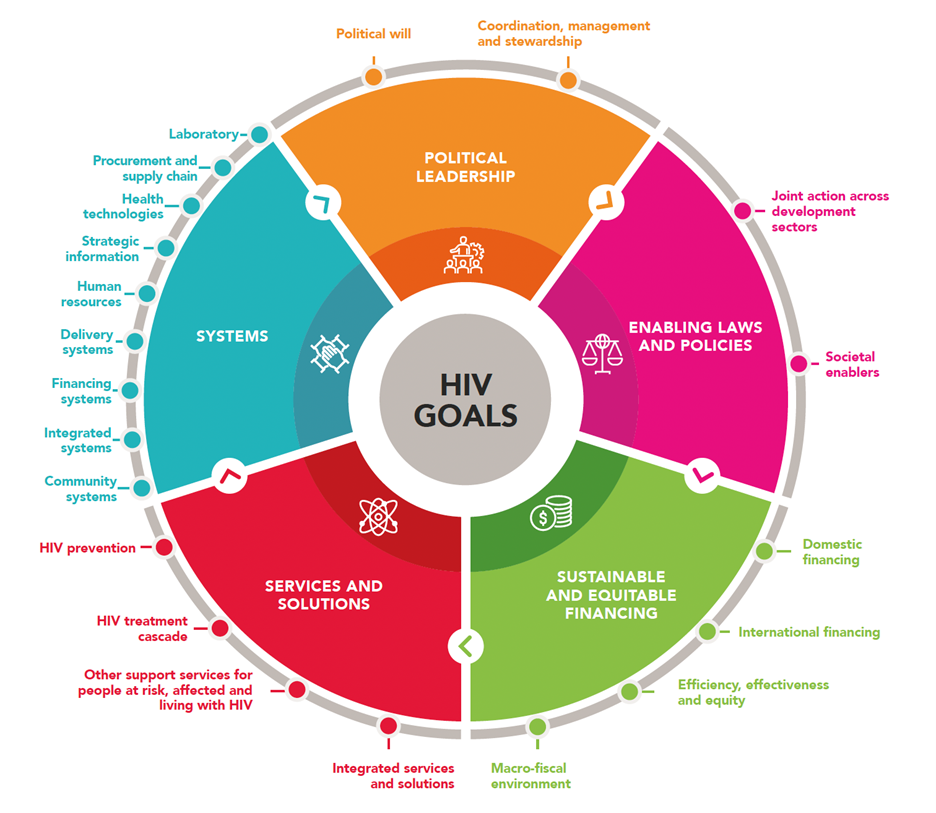
From UNAIDS “UNAIDS HIV Response Sustainability Roadmap – Part A – Companion Guide”, 2024, Geneva.
Overview
This toolbox is designed as a rapidly deployable resource to support national governments in responding to unexpected reductions in HIV funding by enabling swift reassessment and reorganization of HIV systems and services. Its structure aligns with the HIV response sustainability domains (Figure 1), with an emphasis on addressing the changes related to “services” and “systems”.
Section 1 focuses on the “services and solutions” domain (hereafter referred to as “services”). It is primarily intended for technical staff within national antiretroviral therapy (ART) programmes, as well as departments responsible for primary care, SRH and NCDs. This section includes tools to support ministries prioritizing the core HIV service package. It will also feature forthcoming operational guidance from the World Health Organization (WHO) on essential services prioritization, an excel workbook to support prioritization exercises, along with early examples from ministries of health that have issued prioritization guidance to their programmes and implementing partners as part of their initial responses to funding reductions.
Section 2 addresses the systems domain, providing approaches and tools to strengthen sustainability, national ownership, funding and integration of key system pillars that are essential to the HIV response. It begins with cross-cutting human resource considerations, followed by key questions to guide the assessment and adaptation of laboratory, supply chain, and monitoring and evaluation systems.
Section 3 compiles existing tools developed by UNAIDS to support countries in the HIV Response Sustainability Roadmap process. It also introduces key questions related to the domains of political leadership, enabling laws and policies, and sustainable and equitable financing. These tools are intended to support ministries of planning, finance and health in establishing coordination bodies and governance mechanisms for sustainability planning.
This toolbox will be accessible online and updated regularly as new tools are developed – ensuring it remains a dynamic, evolving resource. Feedback from ministries of health, partners and stakeholders is encouraged, particularly regarding gaps, unmet needs, and emerging priorities for immediate planning.
Acronyms
ART – Antiretroviral Therapy
CI – Confidence Interval
CRAG – Cryptococcal Antigen
DSD – Differentiated Service Delivery
EID – Early Infant Diagnosis
LAM – Lactational Amenorrhea Method
MMD – Multi-Month Dispensing
MMS – Multi-Month Scripting
NCDs – Noncommunicable Diseases
OPD – Outpatient Department
PBFW – Pregnant and Breastfeeding Women
PEPFAR – U.S. President’s Emergency Plan for AIDS Relief
PrEP – Pre-Exposure Prophylaxis
SOPs – Standard Operating Procedures
SRH – Sexual and Reproductive Health
TB – Tuberculosis
TPT – TB preventive therapy
VL – Viral Load
WHO – World Health Organization