
Reflections on AIDS 2020: Virtual from a DSD perspective
Dr Sophie Pascoe, Health Economics and Epidemiology Research Office (HE2RO) Only a few months ago, I imagined myself enjoying the delights of San Francisco and Oakland at AIDS 2020. Instead,…
Re-engaging in HIV care in PEPFAR-supported programmes (June 2022)
By Lana Lee (USAID), Jessica Stephens (USAID), and Catherine Godfrey (Office of the Global Health Coordinator, United States) With more robust and better-tolerated dolutegravir-based antiretroviral (ARV) regimens now widely available, achieving…
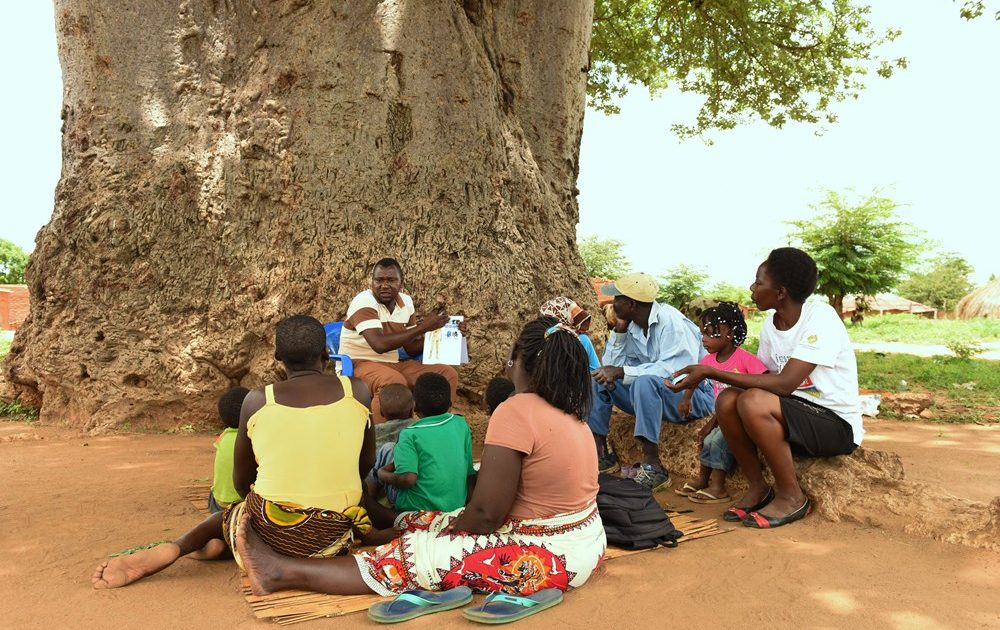
DSD policy update in Mozambique (March 2022)
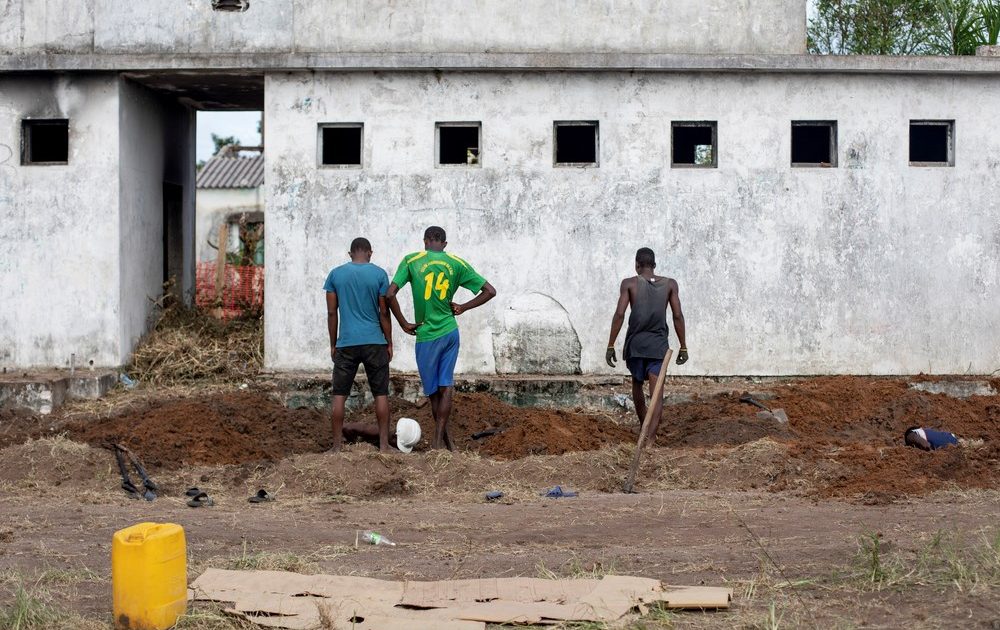
Photo: Felco Calderin Mozambique updates its DSD guidance considering lessons learnt during COVID-19 Dr Aleny Couto, Director of STI and HIV/AIDS Programs at the Mozambique Ministry of Health, writes: Mozambique…

Spotlight on DSD in Southeast Asia: Providing HIV services during COVID-19 through private-sector engagement in Jakarta, Indonesia (November 2021)
Photo credit: A Jak-Anter client receives HIV treatment delivered at home. Photo by LINKAGES Indonesia, 2020. Spotlight on DSD in Southeast Asia: Providing HIV services during COVID-19 through private-sector engagement…
Reflections on IAS 2021: DSD in times of COVID-19 (September 2021)
Photo credit: MSF/Sven Torfinn By Mwanza Wa Mwanza, Director Clinical Care Services, Center for Infectious Disease Research in Zambia (CIDRZ), Zambia At IAS 2021 – the 11th IAS Conference on…
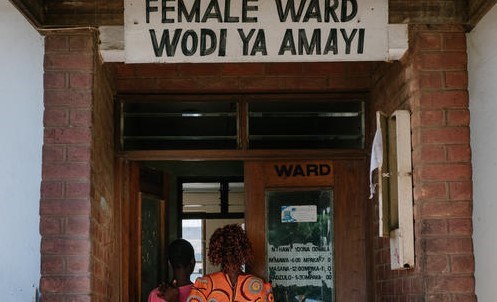
Access to DSD for HIV treatment models for pregnant and breastfeeding women and adolescent girls (June 2021)
Credit: Isabelle Corthier/MSF Access to DSD for HIV treatment models for pregnant and breastfeeding women and adolescent girls By Morkor Newman Owiredu, Medical Officer, World Health Organization The Updated recommendations…
Do DSD models for HIV treatment save money? (March 2021)
Photo: Eric Bond/Elizabeth Glaser Pediatric AIDS Foundation By Sydney Rosen, Research Professor, Department of Global Health, Boston University, and Co-Director of the Health Economics and Epidemiology Research Office (HE2RO), University…
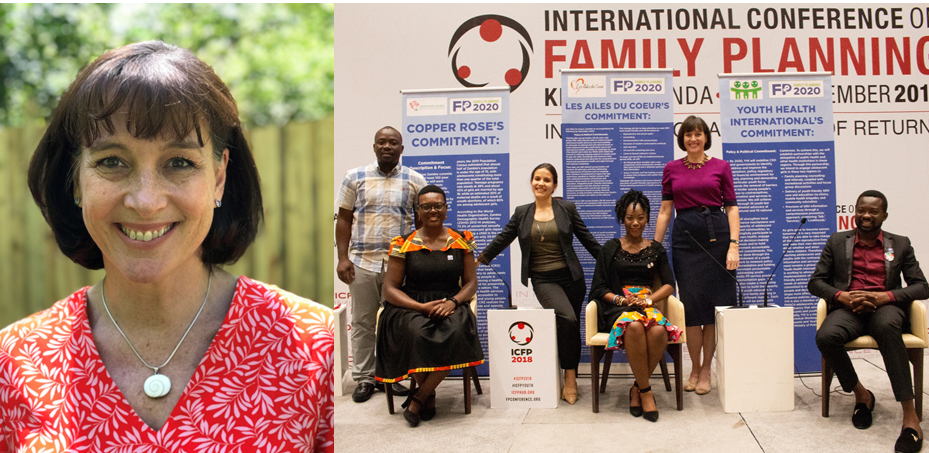
We need to do more: Integrating rights-based family planning and HIV care (November 2020)
“Globally, approximately 60 million additional women and girls are using contraceptive today than were in 2012. And yet, there is so much more to do.” Beth Schlachter, Executive Director, FP2020…
Reflections on AIDS 2020: Virtual from a DSD perspective
Dr Sophie Pascoe, Health Economics and Epidemiology Research Office (HE2RO) Only a few months ago, I imagined myself enjoying the delights of San Francisco and Oakland at AIDS 2020. Instead,…
Easier and equitable access to PrEP: How DSD can help get us there
Jessica Rodrigues, Director of Product Introduction and Access, AVAC, United States Improving access to HIV prevention is critical if we want to see meaningful reductions in new infections. Although the…
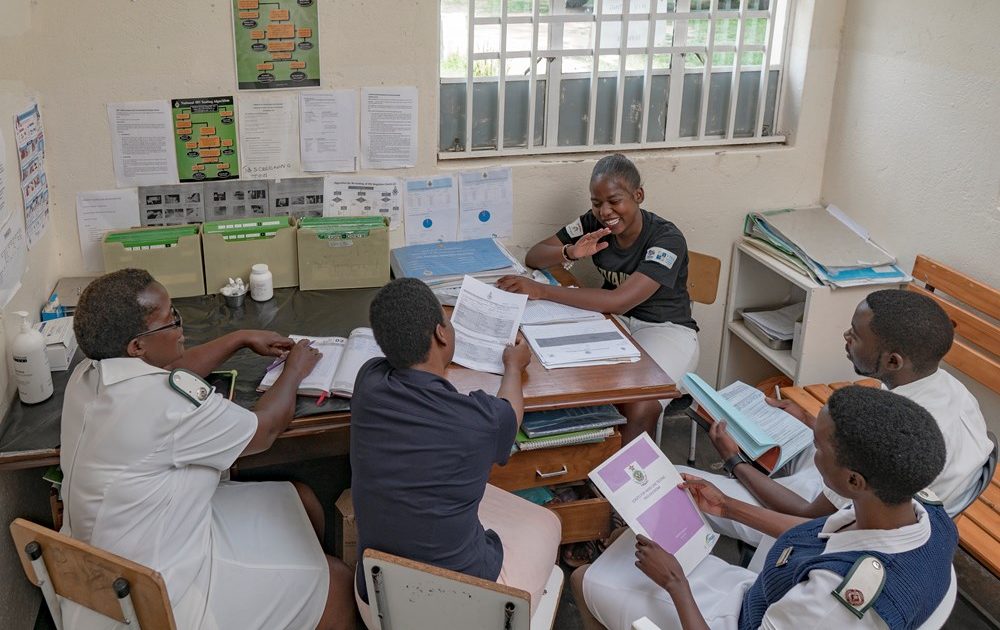
This is us: DSD responding to the realities of young people’s lives
Photo: Steven Chikosi By Rumbidzai Chidora, Africaid Zvandiri, Zimbabwe and Sharon Amongi, YAPS (Young Person and Adolescent Peer Supporter), Uganda We are young people living with HIV, but our lives…

The time is now: Political commitment and financing for differentiated service delivery
Photo: The Global Fund/Alexia Webster Lesley Odendal, Constituency Focal Point, Developing Country NGO Delegation to the Global Fund Board, South Africa In an unprecedented show of global solidarity and political…

Reflections on IAS 2019 from a differentiated service delivery perspective
Dr Ingrid Bassett, Massachusetts General Hospital, Harvard Medical School, United States The 10th IAS Conference on HIV Science (IAS 2019) was notable to me for two reasons. Firstly, it was…
Men’s right to health: Meaningful engagement of men and boys in the HIV response
Philip Nyakwana, Movement of Men against AIDS in Kenya, Kenya While the link between gender inequality and HIV vulnerability is recognized, current programming often focuses on women and girls, with…
HIV linkage and ART initiation: Key lessons from the PopART study
Professor Helen Ayles, Research Director, Zambart, Zambia Credits: Zambart (2019) The recently completed HPTN 071 (PopART) study implemented a combination HIV prevention package, including universal HIV testing and treatment, to…
It’s time to accelerate the TB response
Sharonann Lynch, HIV & TB Policy Advisor, Médecins Sans Frontières (MSF) Access Campaign The first-ever UN high level meeting on tuberculosis (TB) on 26 September 2018 in New York was…
Differentiated service delivery offers a path to sustaining HIV control
Geoff Garnett, Deputy Director, Global Development and Global Health, at the Bill & Melinda Gates Foundation The sessions, publications and conversations in and around International AIDS Conferences reflect the zeitgeist…
Differentiated HIV testing – it’s time to do things differently
Ade Fakoya, Senior Disease Coordinator HIV at The Global Fund to Fight AIDS, Tuberculosis and Malaria, and Aji-Mallen Sanneh, Consultant, HIV Program Quality & Efficiency at The Global Fund to…
A broader view of differentiated services for key populations is needed to increase impact
Hally Mahler, Project Director at LINKAGES, and Chris Akolo, Deputy Director for Technical Services at LINKAGES “We FSW [female sex workers], we do not have time, we work at night…
How to effectively and meaningfully engage communities in differentiated service delivery
Solange Baptiste, Executive Director at the International Treatment Preparedness Coalition (ITPC) There is a clear appreciation for the pivotal role that communities have played in the HIV response over the…

Reflections on IAS 2017 by Ruanne Barnabas
Ruanne Barnabas, Associate Professor in Global Health and Medicine at the University of Washington Differentiated care was highlighted at the 9th IAS Conference on HIV Science (IAS 2017), not only…