Mozambique updates its DSD guidance considering lessons learnt during COVID-19
Dr Aleny Couto, Director of STI and HIV/AIDS Programs at the Mozambique Ministry of Health, writes:
Mozambique was among the first countries to recognize the importance of involving people living with HIV in their care and treatment by supporting their service delivery preferences. In 2009, the country started a community-based model of differentiated service delivery (DSD) through the now well-known community adherence group model. In 2018, Mozambique launched its DSD guidelines that set out the building blocks of its endorsed DSD models, their eligibility criteria and key standard operating procedures.
In response to COVID-19 in 2020, Mozambique built on the strength of the DSD systems already in place to ensure continued access to treatment for people living with HIV during difficult times of movement restrictions and fear around accessing health facilities.
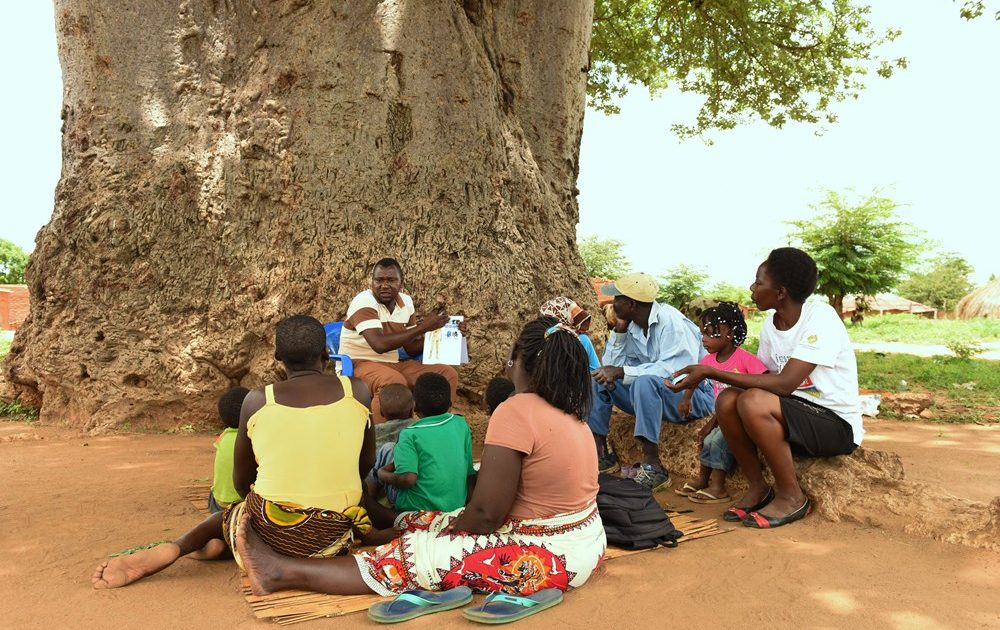
In March 2020, Mozambique released an emergency circular enabling and scaling up three-month antiretroviral therapy (ART) refills for all, including people newly on treatment, children, pregnant and breastfeeding women, and people with elevated viral loads. Mozambique also implemented new community-based models to support better treatment access: community outreach worker home delivery in rural areas.
Mozambique decided in mid-2021 to take stock ahead of updating the national DSD guidance. We have considered the World Health Organization’s 2021 DSD recommendations, as well as the DSD policy approaches of 32 countries to eligibility criteria (population based, time on ART and ART regimens) and visit frequency through these helpful country policy dashboards. We reviewed the DSD acceleration during 2020 and 2021 to evaluate the emergency measures we put in place that would be appropriate to continue post-COVID-19. In February 2022, the Directorate of Public Health approved a new policy supporting a maximum duration of six months for ART in 85 Health Facilities. We hope to complete the process and launch Mozambique’s updated DSD guidance by mid-2022.